AFCON through the ages: 34 Champions, an African story


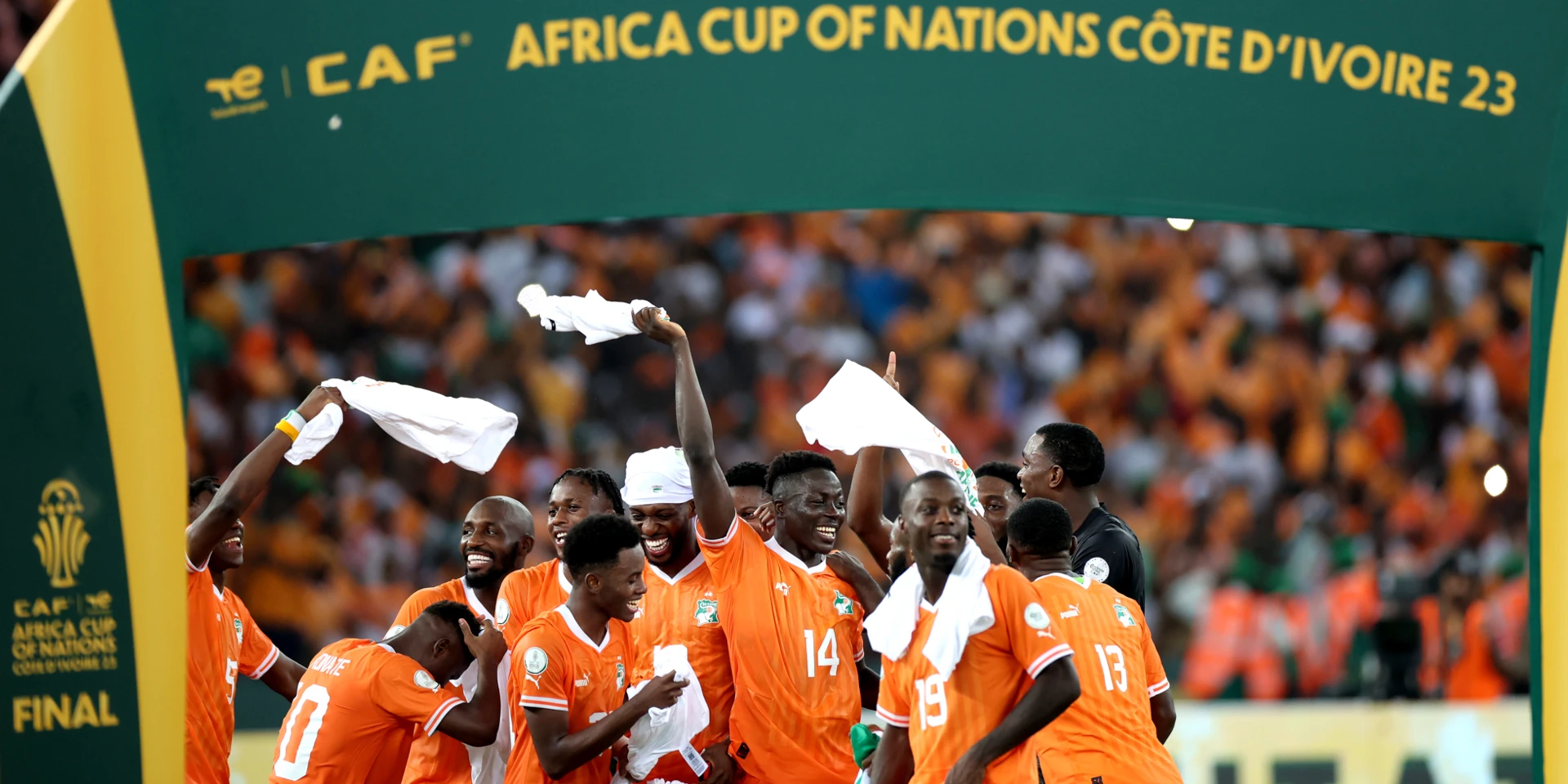
From Egypt’s pioneering triumph in 1957 to Ivory Coast’s latest glory in 2024, the Africa Cup of Nations (AFCON) has been more than a tournament—it’s a chronicle of ambition, resilience, and continental pride. Across 34 editions, the trophy has traveled from the Nile to the Cape, from the Maghreb to the Gulf of Guinea, shaping legends and rewriting football history.

The Dawn of African Football (1957–1968)
Advertisement
AFCON’s birth in 1957 mirrored Africa’s political awakening. Egypt, a powerhouse even then, claimed the first two titles (1957, 1959), setting a tone of dominance. Ethiopia’s win in 1962 was symbolic—a nation asserting itself on the continental stage.
Ghana’s back-to-back triumphs in 1963 and 1965 under Kwame Nkrumah’s vision fused football with national identity. By 1968, Zaire (now DR Congo) emerged, signaling the rise of Central Africa.
The Era of Expansion and Identity (1970–1984)
The 1970s brought diversity: Sudan (1970), Congo Brazzaville (1972), and Zaire again in 1974. Morocco’s historic win in 1976 remains a cultural landmark—North Africa’s tactical sophistication meeting flair. Ghana returned in 1978, cementing its pedigree. The 1980s saw Nigeria’s first title (1980) and Cameroon’s ascent (1984), introducing a new era of athleticism and discipline.
Golden Generations and Tactical Evolution (1986–2002)
Egypt reclaimed supremacy in 1986, while Cameroon doubled down in 1988. Algeria’s 1990 triumph was a Maghreb masterclass. Ivory Coast’s penalty-laden win in 1992 and Nigeria’s 1994 success reflected West Africa’s growing depth.
South Africa’s fairy-tale victory in 1996, just two years after apartheid’s end, remains one of AFCON’s most poignant chapters. Cameroon’s back-to-back titles in 2000 and 2002 showcased Samuel Eto’o’s era of dominance.
---- NIGERIA ONLY ----
Egypt’s Dynasty and the Rise of New Heroes (2004–2012)
Tunisia’s 2004 win was a home-soil celebration, but Egypt’s unprecedented streak—2006, 2008, 2010—etched an unbreakable dynasty. Then came Zambia in 2012, a triumph steeped in emotion and tribute to the 1993 air disaster victims—a story of redemption that transcended sport.
Modern Powerhouses and Continental Balance (2013–2024)
Nigeria returned in 2013, Ivory Coast in 2015, and Cameroon in 2017, proving old giants still roar. Algeria’s 2019 victory under Riyad Mahrez marked a tactical renaissance, while Senegal’s 2022 breakthrough ended decades of near-misses. Ivory Coast’s 2024 triumph reaffirmed its elite status, setting the stage for Morocco’s homecoming in 2025.
Patterns and Power Shifts
Egypt (7 titles) remains the undisputed king, blending consistency with tactical evolution.
Cameroon (5) and Ghana (4) embody resilience and adaptability.
Ivory Coast and Nigeria (3 each) showcase West Africa’s depth.
Emerging champions—Senegal, Zambia, South Africa—signal a democratisation of success.
Beyond the Numbers: What AFCON Represents
Every AFCON title is a cultural artifact. It reflects political climates, economic realities, and the heartbeat of African identity. From Accra to Algiers, Lusaka to Dakar, these victories are stitched into national narratives—songs, street parades, and generational memories.
AFCON’s Most Iconic Moments
1957: Egypt lifts the inaugural trophy—birth of a continental dream.
1996: South Africa’s rainbow triumph—football as reconciliation.
2012: Zambia’s emotional win—sport as healing.
2019: Algeria’s tactical masterclass—modern football meets Maghreb grit.
Looking Ahead: Morocco 2025
As Morocco prepares nine venues for the next chapter, the question looms: who will etch their name into AFCON’s evolving tapestry? Will Egypt reclaim its throne? Will Senegal double down? Or will a new flag rise above the Atlas Mountains?
Complete Roll of Honour
1957 Egypt | 1959 Egypt | 1962 Ethiopia | 1963 Ghana | 1965 Ghana | 1968 Zaire | 1970 Sudan | 1972 Congo | 1974 Zaire | 1976 Morocco | 1978 Ghana | 1980 Nigeria | 1982 Ghana | 1984 Cameroon | 1986 Egypt | 1988 Cameroon | 1990 Algeria | 1992 Ivory Coast | 1994 Nigeria | 1996 South Africa | 1998 Egypt | 2000 Cameroon | 2002 Cameroon | 2004 Tunisia | 2006 Egypt | 2008 Egypt | 2010 Egypt | 2012 Zambia | 2013 Nigeria | 2015 Ivory Coast | 2017 Cameroon | 2019 Algeria | 2022 Senegal | 2024 Ivory Coast.
Advertisement