Why Nigeria Failed to Qualify for the 2026 FIFA World Cup


A Nation’s Heartbreak, a Continent’s Shock, and a Football Giant Forced Into Reflection

Some football stories bruise, but others break something deeper. Nigeria’s failure to qualify for the 2026 FIFA World Cup belongs to the latter category. For a nation with the history, talent and global footballing presence of the Super Eagles, missing out does not simply sting, it reshapes belief and forces a reckoning. This was not a routine setback. It was a moment that shifted the landscape of African football, and it demands a clear understanding of how one of the continent’s giants fell short.
Advertisement
A Campaign That Lost Its Identity Before It Found Its Rhythm
From the very beginning of the qualifying campaign, Nigeria never looked settled. Matches that the Super Eagles would typically control began to feel tense and unpredictable. Even when they enjoyed spells of dominance, those moments appeared in short bursts rather than sustained passages of play. Instead of dictating the tempo of their group, Nigeria found itself reacting to it, conceding points in matches they historically would have won.
The team struggled to build momentum, and confidence rarely solidified. Despite boasting a squad stacked with European based talent, the collective identity never materialised. By the time the fixtures became more demanding and pressure intensified, Nigeria was no longer navigating qualification from a position of strength. The team was chasing stability rather than asserting dominance, moving from expected qualifiers to a side desperately trying to keep their campaign afloat. The unraveling did not happen in one disastrous moment it was a gradual erosion of control.
Rabat: The Night Nigerian Football Will Not Forget
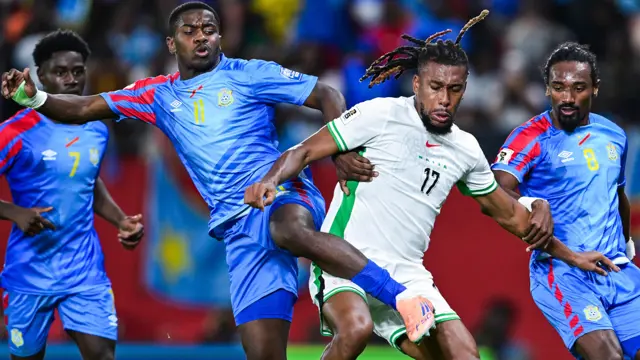
The decisive playoff against DR Congo in Rabat felt like the final chapter arriving far too soon. Nigeria entered the match carrying not just their hopes, but the weight of expectation from millions. Over 120 tense minutes, the Super Eagles oscillated between relief and danger. They started strongly, lost their grip, recovered their composure, and then watched the match drift toward extra time with a haunting sense of inevitability.
When the penalty shootout arrived, history repeated itself. Penalties remain football’s most unforgiving judge, a place where pedigree means nothing and reputation carries no shield. Nigeria faltered at the critical moment, while DR Congo did not waver. In a matter of seconds, the dream of flying the green and white on the World Cup stage in North America vanished into the Rabat night.
For the second consecutive World Cup cycle, Nigeria’s journey ended not in open play but in the stillness between a whistle and a penalty taker’s breath. Patterns like this tell a deeper story, one that points toward structural issues rather than isolated moments.
A Giant Carrying the Weight of Expectation
Nigeria is not simply another African football nation. It is a global football ecosystem passionate, proud, overflowing with talent and driven by ambition. When a country of more than 200 million people misses a World Cup once, it sparks debate. Missing two in a row transforms that debate into a national crisis and a continental talking point.
The Super Eagles’ absence from the World Cup feels unnatural. It alters the texture of the tournament itself. Nigeria’s presence, the colour, the energy, the unpredictability has become synonymous with global football. When such a powerhouse fails to qualify, the shock reverberates far beyond its borders.
A World Cup Stage Missing Nigeria’s Noise, Colour and Chaos
Nigeria’s absence from the 2026 World Cup leaves a noticeable void. The Super Eagles bring a unique electricity to the global stage from the booming chants of green and white clad supporters to the explosive runs of their attacking stars. There is a rhythm, a flair, and a joyful chaos that no other team replicates.
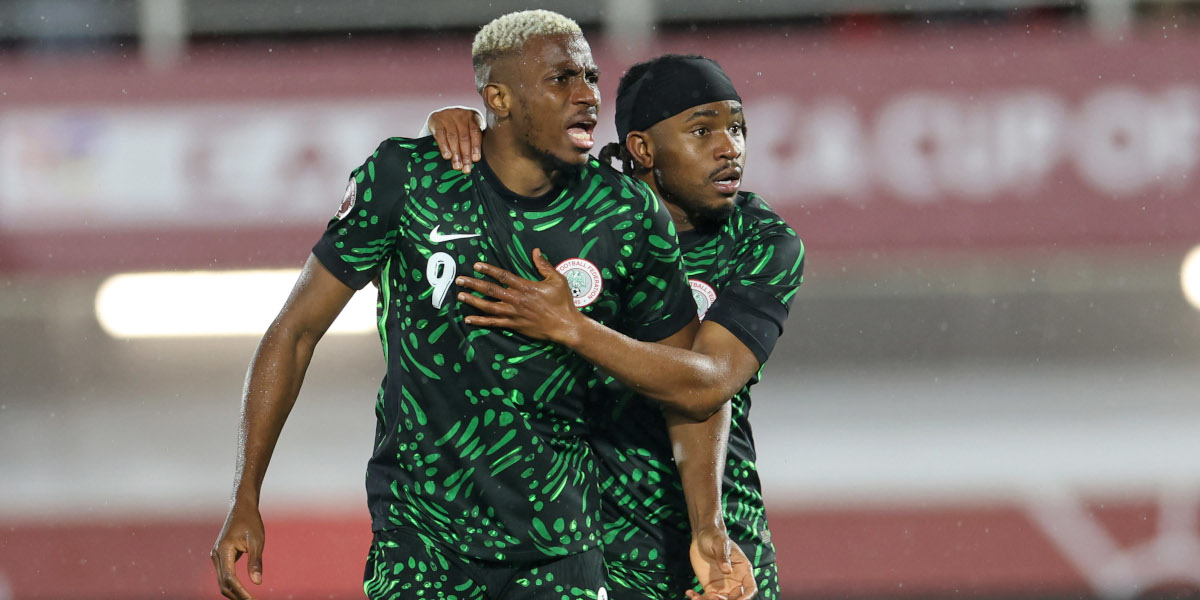
This time, there will be no Victor Osimhen charging at defenders, no Ademola Lookman drifting past challengers in tight spaces, no Victor Boniface battling defenders with unstoppable intensity. More importantly, there will be no Nigerian fans transforming stadiums into festivals. The silence their absence creates is both emotional and atmospheric.
This Failure Demands Accountability, Not Excuses
Football at the highest level rewards systems, not improvisation. Nigeria entered the qualifiers with brilliant individuals but lacked cohesion, clarity and continuity. In the moments when mental resilience mattered most, in the pressure cookers, in the late pushes, in the penalty shootout that lack of structure became evident.
Nigeria did not fail because it lacked quality. Nigeria failed because quality alone is never enough.
This Is Not the End - It Is a Warning Before the Rise
The weight of this failure is heavy, and it should be. But every football giant experiences moments of reckoning. Redemption is always possible, and Nigeria has all the raw ingredients required for a resurgence: elite players, a passionate fan base, a strong domestic culture and high expectations that refuse to fade.
What Nigeria needs now is a reset a structural recalibration, a clear identity, and long term planning that matches the nation’s enormous potential. When the Super Eagles eventually return to the World Cup, it will not be a quiet re-entry. They will return with force, with swagger, and with the unmistakable vibrance that only Nigeria brings to the world stage.
Advertisement